> For the complete documentation index, see [llms.txt](https://docs.nemoprotocol.com/llms.txt). Markdown versions of documentation pages are available by appending `.md` to page URLs; this page is available as [Markdown](https://docs.nemoprotocol.com/tutorial/liquidity-provider-lp/add-liquidity.md).
# Add Liquidity
**Steps for adding liquidity**
1. **Connect Your Wallet**
* Open the Nemo Protocol app and connect your preferred Web3 wallet (e.g., Sui Wallet.
* Ensure you have sufficient funds in your wallet for the tokens you want to deposit.
2. **Navigate to the "Pool" Section**
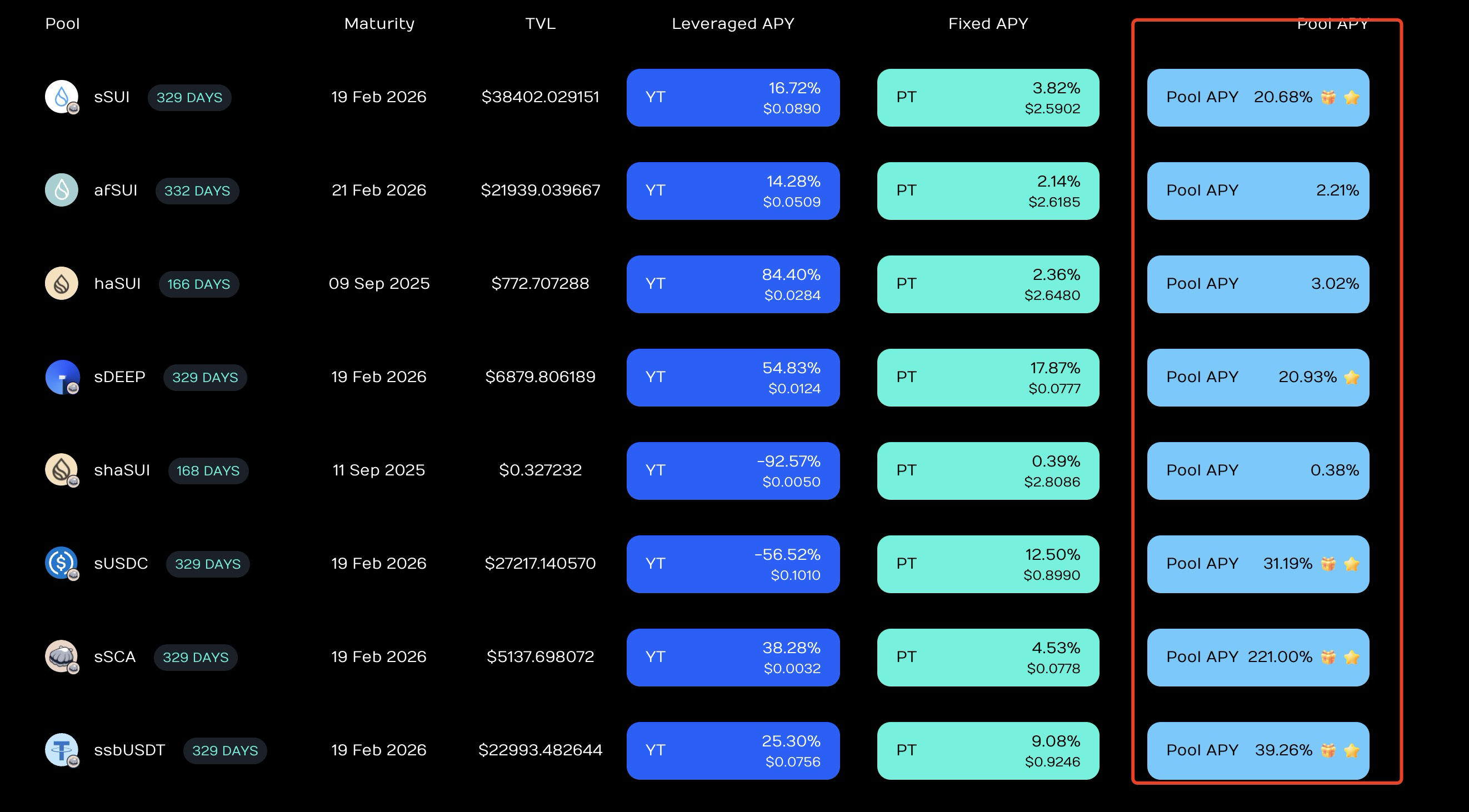
* Click on the **"Pool"** or **"Liquidity"** tab in the main menu.
3. **Select the Token**
* Choose the token you want to provide liquidity for (e.g., SUI/sSUI).
* Enter the amount and then Nemo will calculate the output automatically.
{% hint style="info" %}
When adding liquidity with the underlying token (eg. SUI), a portion of SUI will be swapped into PT to form a pair and deposited into the pool. However, when adding a large amount of liquidity, excessive slippage from the swap may cause the system to automatically switch to an alternative method: using part of the SUI to mint PT and YT, then combining PT + SUI to provide liquidity. The remaining YT will be returned to the user.
{% endhint %}
4. **Approve & Receive LP NFT**
* Click **"Approve"** to grant the protocol permission to access your tokens (requires a wallet confirmation).
* After approval, click **"Add Liquidity"** and confirm the transaction in your wallet.
* Once the transaction is confirmed, you’ll receive **LP (Liquidity Provider) NFT** representing your share of the pool.